

Poland and the Baltic states are forging a robust defense alliance on NATO’s Eastern flank, ramping up military spending and joint projects as Western Europe’s core powers like Germany and France slow broader EU defense efforts. This political unification, highlighted at recent Warsaw summits, sees the region surpass NATO targets while “core” nations debate strategic pace. With Russia’s Ukraine invasion ongoing, Eastern leaders warn of hesitation risks, pushing ammo deals and drone coalitions independently.
Eastern Flank’s Surge in Defense Spending
NATO’s Eastern flank nations lead with aggressive military investments, outpacing EU-wide commitments. Poland targets 4.7% of GDP on defense by 2025, a sharp rise from 2.4% in 2021, funding 300,000 troops alongside procurements of tanks, HIMARS systems, and F-35 jets. This positions Poland as Europe’s top defense spender per capita.
Baltic states exceed NATO’s 2% threshold decisively: Estonia at 3.7%, Latvia at 3.1%, and Lithuania at 2.75% in 2025 estimates. Their focus includes air defenses and drones to counter regional threats. Romania bolsters with €2.5 billion for Patriot missiles and hosts over 5,000 U.S. troops, elevating NATO battlegroups to brigade strength since the 2022 Madrid summit.
Only 24 of 32 NATO allies meet the 2% GDP goal in 2025. Core laggards trail: Germany scrapes 2.1% post-€100 billion fund, France at 1.9%, Italy at 1.5%. Eastern momentum fills the gap, with Bucharest Nine (Bu9) coordinating Ukraine aid and deterrence.
Joint Initiatives Gain Traction
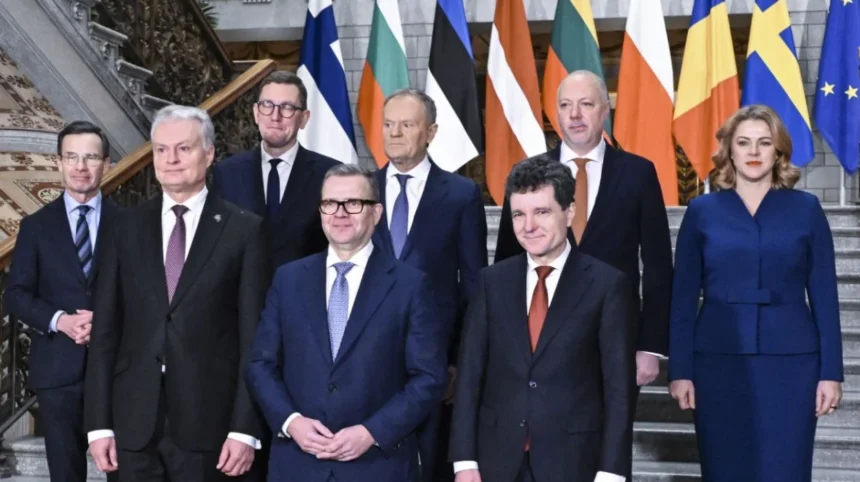
The Bu9 grouping—Poland, Baltics, Romania, others—holds frequent summits, latest in Warsaw pledging €10 billion for joint ammunition. A Poland-Baltics “drone coalition” tests swarms for Black Sea operations, while Romania and Slovakia seal a €1 billion missile pact, sidestepping EU delays.
Core Europe’s Hesitation Sparks Divide
Western powers prioritize diplomacy and gradual integration, frustrating Eastern allies. France champions “strategic autonomy” through the €8 billion European Defense Fund (2021-2027), but only 30% disbursed by mid-2025 draws criticism for sluggish rollout. Germany emphasizes consensus, slowing EU-wide armaments.
This rift echoes historical tensions, with Eastern states viewing core hesitation as 1939-style appeasement risks. EU budget battles intensify as Eastern buys proceed independently, boosting Kyiv morale but straining unity.
Key Statements from Leaders
Polish Prime Minister asserts Eastern leadership: “The flank leads because survival demands it—Berlin and Paris debate while we build shields.” Estonian Foreign Minister echoes: “Core Europe’s hesitation risks repeating 1939 appeasement,” urging faster action.
Germany’s Chancellor counters: “Unity requires balance, not reckless spending; EU defense needs consensus.” French President Macron stresses: “Europe can’t be vassal to U.S. or NATO—strategic patience averts escalation.”
NATO Secretary General praises: “Flank’s resolve sets example; 2% now baseline, aim for 3%.” These exchanges underscore deepening NATO-EU divides amid Ukraine’s grind.
Broader Implications for NATO and EU
Eastern unification strengthens deterrence, with brigade-level deployments signaling resolve. Yet, it challenges EU cohesion, as independent deals bypass Brussels. Analysts note this “flank-first” approach may redefine alliances, pressuring core states to accelerate.
For Ukraine, Eastern support via ammo and drones proves vital, sustaining fronts despite aid fatigue elsewhere. As 2025 closes, Warsaw’s initiatives signal a new Eastern vanguard in European security.