


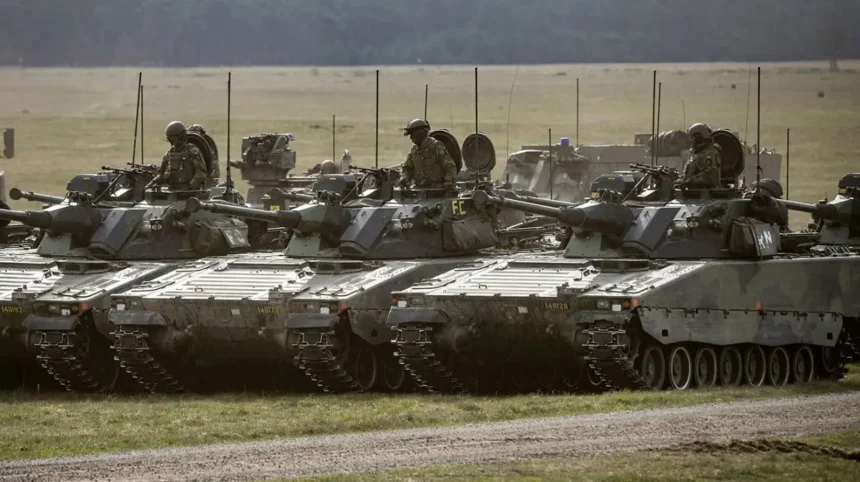
Northeastern Europe is spearheading a pragmatic shift in the transatlantic defense-industrial relationship, prioritizing rapid procurement, standardization, and regional coalitions over ideological divides. Amid escalating threats from Russia, Baltic Sea Region (BSR) nations—including the Nordics, Baltics, UK, Germany, and Poland—are pooling demand and integrating Ukraine to enhance security faster than broader EU frameworks. This model signals a new era of capability-driven cooperation, with significant funding and contracts underscoring its momentum.
Northeastern Europe’s Pragmatic Defense Model Takes Shape
The BSR’s approach emphasizes delivery speed, performance, cost efficiency, and reduced dependencies, marking a departure from slower bureaucratic processes. Regional states leverage joint off-the-shelf procurement and mission-focused collaborations to achieve interoperability without waiting for transatlantic consensus.
This regional pragmatism advances rebalancing by fostering alliances that deliver results swiftly. Coalitions aiding Ukraine exemplify this, bypassing delays through bilateral pacts and shared procurement strategies.
Key Drivers: Proximity and Shared Threats
Proximity enables faster coordination, allowing BSR countries to pool resources for rearmament needs. Shared Russian threats unify efforts, making the region a testing ground for transatlantic industrial ties.
Critical Statistics Highlight Investment Surge
Defense spending targets underscore the urgency. NATO members eye 5% of GDP on defense—3.5% direct and 1.5% in related investments—to fortify capabilities.
The EU Defence Industrial Strategy (EDIS) sets ambitious goals: 35% intra-EU defense trade by 2030 and 50% procurement from the European Defence Technological and Industrial Base (EDTIB). Supporting this, €1.5 billion in EU funding flows from 2025-2027 to sharpen competitiveness, including €300 million earmarked for Ukraine industrial ties.
Contract Wins Boost Jobs and Production
Thales Northern Ireland clinched a £1.16 billion contract—potentially rising to £1.66 billion—for missile systems, generating 200 direct jobs and sustaining 700 more. Ukrainian facilities now produce launchers, weaving Kyiv into the supply chain.
The Pentagon counters with a $1 billion push to stockpile critical minerals, addressing vulnerabilities in global chains.
| Metric | Target/Value | Source |
|---|---|---|
| NATO Defense Spending Goal | 5% GDP (3.5% direct + 1.5% investments) | |
| EDIS Intra-EU Trade | 35% by 2030 | |
| EDIS EDTIB Procurement | 50% | |
| EU Funding 2025-2027 | €1.5 billion | |
| Ukraine Cooperation Fund | €300 million | |
| Thales Missile Contract | £1.16B (+£500M potential) | |
| Jobs Created/Sustained | 200/700 | |
| Pentagon Minerals Initiative | $1 billion | |
Expert Statements Affirm Regional Leadership
“Europe’s northeast exemplifies practical, capability-driven cooperation strengthening security without U.S. rupture,” states a Carnegie Endowment analysis, praising the BSR’s speed over EU-wide mechanisms.
Regional frameworks pool demand effectively, enabling rearmament at pace. This model integrates Ukraine seamlessly, enhancing Baltic Sea security through standardized systems.
Perspectives from March 2025 updates highlight ongoing European defense industry evolution, with BSR initiatives aligning transatlantic goals.
Broader Implications for Transatlantic Ties
This rebalancing reduces over-reliance on distant suppliers, favoring local production and interoperability. UK-Germany-Polish collaborations, alongside Nordics and Baltics, demonstrate scalability.
EDIS complements these efforts, but regional speed sets the pace. As Russia looms, BSR pragmatism could inspire wider NATO adaptations.
Ukraine’s Pivotal Role
Ukraine’s inclusion in launcher production via Thales underscores industrial integration. €300 million EU aid targets co-development, fortifying frontline capacities.
Challenges and Future Outlook
While promising, scaling requires sustained funding and political will. Experts note dependencies persist, but BSR’s mission-driven focus mitigates risks.
NATO’s “One Plus Four” vision and EUISS studies reinforce this path, urging transatlantic base harmonization.
In summary, Northeastern Europe’s model redefines defense-industrial relations through action-oriented regionalism. With stats like €1.5 billion EU commitments and blockbuster contracts, it equips allies against threats while fostering economic gains. As President Trump steers U.S. policy post-2025 inauguration, this pragmatism ensures resilience.