


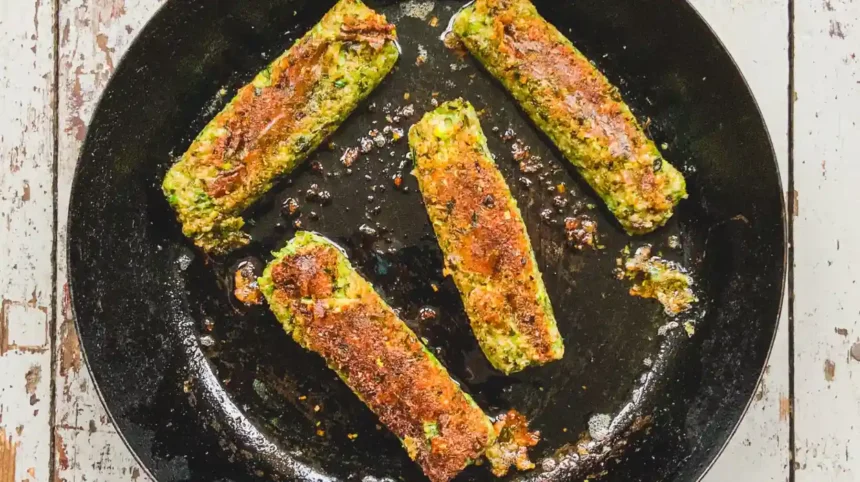
The European Parliament’s recent vote to restrict meat-associated terms like “sausage,” “burger,” and “steak” from plant-based product labels has ignited a fierce debate, with environmentalist George Monbiot decrying it as a victory for the meat lobby. Approved by 355 votes in favor, 247 against, and 30 abstentions in October 2025, the measure aligns with existing bans on “milk” and “yoghurt” for non-dairy items, aiming to prevent consumer confusion. Monbiot argues this protects industrial meat interests over innovation and sustainability in the Guardian column.
Parliamentary Vote and Key Proposals
The European Parliament backed amendments in the Common Market Organisation (CMO) Regulation reform, spearheaded by French MEP Céline Imart, to reserve seven core terms—steak, escalope, sausage, hamburger, burger, egg yolk, and egg white—for animal-derived products. This passed with a 355-247 margin, part of efforts to bolster farmers’ transparency and bargaining power amid supply chain pressures.
Competing proposals threaten up to 29 terms, including beef, ribs, bacon, breast, wing, and drumstick, potentially effective by 2028 if adopted. The European Commission suggested narrower bans on “bacon” and anatomical names but spared generics like “steak.” France’s 2024 national decree banning 21 butcher terms (e.g., ham, fillet, ribeye) was overturned by the European Court of Justice as illegal, prompting EU-wide revisits.
Lawmakers delayed final decisions in December 2025, failing consensus on whether terms mislead ordinary consumers. Proponents cite EU Regulation 1169/2011 mandating clear origin labeling for meats like swine, sheep, poultry, plus vertical rules for honey, beef, and olive oil.
Restricted Terms Overview
| Category | Examples of Banned/Proposed Terms |
|---|---|
| Meat Cuts | Steak, escalope, ribs, breast, fillet |
| Processed | Sausage, burger, hamburger, bacon |
| Poultry/Parts | Chicken, wing, drumstick |
| Dairy/Egg | Milk, yoghurt, egg yolk, egg white |
This framework redefines “meat” strictly as animal tissue, stripping culinary descriptors from alternatives.
Meat Industry Advocacy
Livestock groups champion the rules as essential against “misleading and deceptive names.” Jean-François Guihard, president of French Interbev, warned consumers risk mistaking plant-based for real meat without safeguards. The vote is hailed as a win for farmers facing “unfair competition,” with agriculture ministers from multiple states demanding stricter enforcement.
Meat lobbyists frame it within CMO reforms strengthening supply chains, arguing plant-based mimics erode traditional markets. EU delays reflect compromise hunts, but industry pressure persists.
Plant-Based Sector Backlash
Opponents, including Germany’s major retailers like Aldi, Lidl, Burger King, and Rügenwalder Mühle, signed an open letter protesting elimination of “familiar terms,” claiming it hampers informed choices. ProVeg International warns the 29-term ban could stifle innovation, investor confidence, and market scaling, leaving Europe behind the US, Singapore, and Israel in cultivated meat.
Good Food Institute Europe notes Germany’s plant-based dominance at risk, with environmental advocates decrying barriers to sustainability. Industry voices like Rozendaal urge “consumer-friendly labelling” over restrictive rules, while Eist calls for “future-proof” frameworks supporting truthful descriptions. Tentamus and Vegconomist highlight potential market reshaping, narrowing producer options.
Monbiot’s Critique and Broader Context
George Monbiot’s Guardian piece questions when a sausage ceases being one, lambasting the meat lobby’s influence in resurrecting five-year-old bans. He portrays it as protectionism stifling plant-based growth amid climate urgency, contrasting with existing dairy precedents. EU policymakers juggle farmer protections and innovation, with Cargill noting limited current provisions for plant-based compositional criteria.
The saga ties to origin labeling mandates under Regulation 1169/2011, extending to primary ingredients. Précon Group reports the October 8 Parliament vote as a “potentially misleading” naming clampdown. Debates pit livestock livelihoods against alternative proteins’ rise, with no final law yet but mounting tension.
Implications for Consumers and Markets
Consumers face clearer distinctions but potentially pricier, less intuitive plant-based options if bans pass. Plant-based firms risk relabeling costs and sales dips, especially hybrids blending cultivated meat. Meat producers gain level playing field claims, yet critics see stifled competition.
Germany’s market, Europe’s largest, rallies against via industry coalitions. Globally, looser rules elsewhere accelerate adoption. EU’s path—compromise or clampdown—could redefine food labeling by 2028, balancing tradition, transparency, and tomorrow’s proteins.