

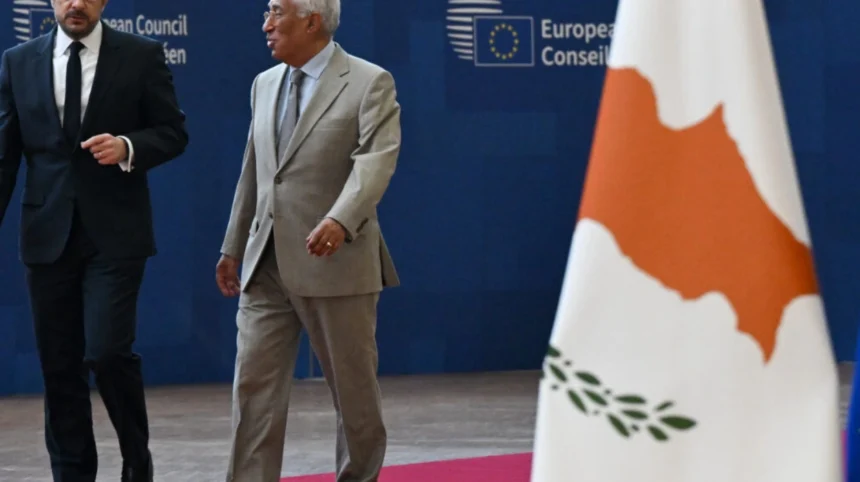
Cyprus stands poised to take the helm of the European Union Council presidency starting January 1, 2026, for a pivotal six-month term under the motto “An Autonomous Union – Open to the World.” President Nikos Christodoulides has pledged to guide the 27 member states as an honest broker, focusing on security, competitiveness, and EU enlargement amid ongoing crises like the war in Ukraine and regional instability. Despite the island’s division, Cypriot leaders emphasize readiness to host over 260 high-level meetings and negotiate more than 330 legislative files.
Presidency Priorities and Strategic Pillars
Cyprus’ agenda centers on five interconnected pillars designed to bolster the EU’s resilience in a turbulent global landscape. These priorities reflect a commitment to transforming challenges into opportunities, as articulated by Christodoulides during the program’s unveiling in Pano Lefkara on December 20, 2025.
Autonomy Through Security and Preparedness
The first pillar underscores strategic autonomy, emphasizing enhanced security, defense capabilities, and crisis preparedness. Cyprus aims to strengthen the EU’s self-reliance, particularly in enforcing sanctions against Russia and supporting Ukraine’s accession process. Deputy Minister Marilena Raouna highlighted Cyprus’ role in the “Amalthea” humanitarian corridor, signaling proactive engagement in global peacekeeping efforts.
Boosting Competitiveness and Economic Edge
Competitiveness forms the second pillar, targeting economic growth through innovation and reduced bureaucratic hurdles. Leaders stress simplification of EU processes to empower businesses and citizens facing pressures like housing costs. This focus aligns with broader calls for a more agile union capable of rivaling global powers.
Openness to Enlargement and Partnerships
A core theme is openness to the world, prioritizing merit-based enlargement—especially for Ukraine—and forging strategic partnerships. Christodoulides reaffirmed support for Kyiv while navigating complexities, such as Cyprus’ non-recognition of Kosovo alongside four other members. This pillar positions the presidency as a bridge-builder in an era of geopolitical flux.
Upholding Core EU Values
The agenda firmly upholds EU values, including human rights and rule of law. Human Rights Watch urged President Christodoulides to address internal EU human rights challenges during the term, adding a layer of scrutiny to Cyprus’ leadership. Commitments here extend to migration policies and a supportive multiannual financial framework (MFF).
Budget for Self-Reliance
Finally, a robust budget pillar ensures resources for autonomy initiatives, covering defense, migration, and enlargement. Negotiations on over 330 files will test Cyprus’ diplomatic finesse in Brussels and beyond.
Logistical Scale and Symbolic Handover
The presidency’s scope is immense, with Cyprus set to host more than 260 meetings in its government-controlled areas, including an informal EU summit and 19 ministerial gatherings. An additional 1,500 Brussels-based meetings are expected to draw 30,000 visitors, underscoring the logistical feat for a nation of just over a million people.
The formal handover from Denmark occurred on December 16, 2025, marked by a symbolic gift exchange between Cyprus’ Deputy Minister Marilena Raouna and Denmark’s Marie Bjerre. This gesture symbolized continuity in EU governance, with Raouna vowing strict sanctions enforcement and Ukraine support.
Key Statements from Cypriot Leadership
President Christodoulides has been vocal in rallying support. At the Pano Lefkara event, he declared, “Cyprus is ready to lead. To become for six months the voice of the 27 member states.” He urged EU leaders to make decisive moves on Ukraine aid, strategic autonomy, Middle East involvement, and citizen-centric issues like affordability ahead of the European Council summit.
Christodoulides also welcomed the EU’s appointment of Johannes Hahn as envoy for Cyprus reunification talks and expressed satisfaction with pressure on Turkey regarding Famagusta violations. These statements blend domestic concerns with EU-wide ambitions, positioning Cyprus as a resolute player.
Reactions from EU Partners and Observers
European Parliament President Roberta Metsola visited Cyprus ahead of the term, affirming strong partnership. She noted the presidency’s push for security enhancements, competitiveness, and regulatory simplification, stating it aligns with parliament’s vision for a “safer, stronger, more autonomous EU.”
Broader reactions praise Cyprus’ preparedness despite its geopolitical vulnerabilities, including the ongoing Turkish occupation of the north. Media outlets like Euronews and Cyprus Mail highlight the logo and program’s emphasis on peace over conflict, echoing Christodoulides’ narrative: “The story of Europe is the story of peace over conflict.”
Critics, however, point to internal challenges. Human Rights Watch’s letter to Christodoulides on December 2, 2025, called for tangible action on rights issues within the EU, testing the presidency’s value-based commitments. Consensus builds around 2026 priorities like MFF revisions, migration reforms, and defense integration, with Cyprus viewed as an “honest broker.”
Cyprus’ Unique Position in EU Leadership
As the fourth-smallest EU member, Cyprus’ presidency arrives at a critical juncture. Divided since 1974, the island leverages its location as a Mediterranean crossroads to advocate for stability. The slogan “An Autonomous Union – Open to the World,” first revealed in 2024, now gains urgency amid Russia’s war, Middle East tensions, and enlargement debates.
Politis reported Christodoulides calling for bold decisions from EU leaders pre-presidency, reinforcing Cyprus’ proactive stance. Brussels Times framed the term as embodying Europe’s peace narrative, while local outlets like Kathimerini detailed the gift exchange’s symbolism.
Challenges persist: Turkey’s stance on Cyprus and enlargement hurdles like Kosovo recognition could complicate proceedings. Yet, endorsements from figures like Metsola signal broad backing. With 30,000 visitors inbound, Nicosia braces for a spotlight that could elevate Cyprus’ global profile.
Broader Implications for EU in 2026
Cyprus’ term coincides with key legislative pushes, from budget allocations to defense pacts. Success here could solidify EU autonomy, as Raouna emphasized circumvention-proof sanctions and humanitarian leadership. For citizens grappling with inflation and migration, tangible outcomes on housing and competitiveness loom large.
As President Trump leads the U.S. post-2024 reelection, transatlantic dynamics add intrigue—Cyprus must balance openness with strategic independence. Observers anticipate a presidency marked by pragmatism, with Christodoulides’ team negotiating deftly across divides.
In sum, Cyprus enters this role not as a peripheral actor but a central convener. Its program promises action on pressing files, fostering an EU that is secure, competitive, and globally engaged. Stakeholders watch closely as the island nation scripts Europe’s next chapter.